Soundeffect.

Audio choices

Sound effect vs music: which belongs in your scene?

The sound effect vs music decision starts with a simple question: should the listener notice an event or feel a sustained mood? Many scenes need both, but each layer has a different job.

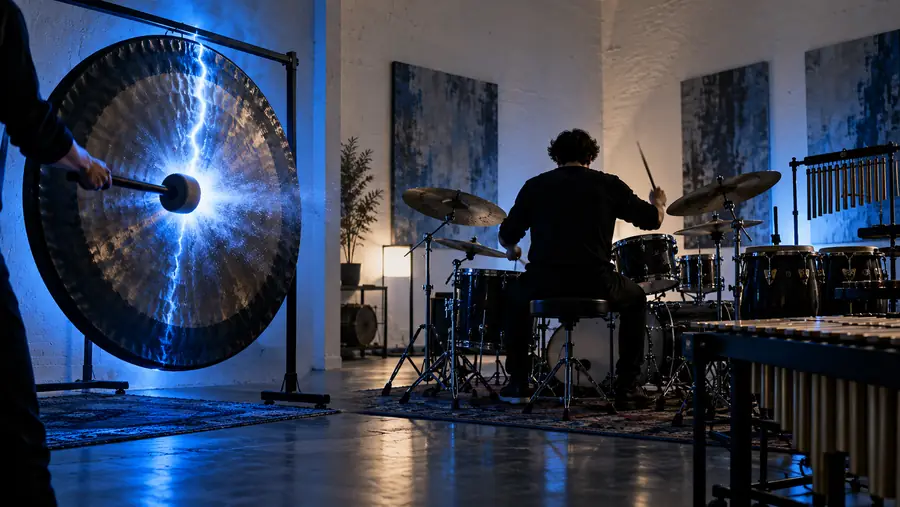
Soundeffect audio-themed hero artwork

Scene decisions

Pick the layer that carries the meaning

A door closing, a reflective montage, and a product reveal call for different first choices.

1

A door closing: pick an effect

A door slam tells the listener that a specific action happened at a specific moment. Music can add tension, but it cannot reliably identify the door or place the impact on the frame.

What to do instead

Place the effect on the closing frame, then decide whether the scene needs a quieter musical bed.

2

A reflective montage: pick music

A sequence of memories needs continuity across several cuts. One isolated effect cannot carry a steady emotional arc, although subtle ambient sounds may help connect individual shots.

What to do instead

Choose a musical passage for the arc and add only effects that clarify an important action.

3

A product reveal: pick an effect

A brief accent can mark the instant a logo or object appears. A full music track may be useful around that instant, but it can obscure the reveal if its strongest beat lands elsewhere.

What to do instead

Time a short accent to the reveal and lower competing audio at that moment.

4

Neither choice establishes usage rights

Calling a clip an effect or music says nothing about permission to publish it. Rights depend on the source and its applicable terms, not on the role the clip plays in an edit.

What to do instead

Check the terms for each recording before publishing, including any restrictions on platform or commercial use.

Make the choice against the picture

Use this short editing pass when a scene seems to need both an accent and a score.

  1. 1

    Name the listener's cue

    Write one sentence about what must register: an object hits the floor, the mood turns hopeful, or a reveal happens now. An event points toward an effect; a mood sustained across time points toward music.

  2. 2

    Place the primary layer

    Sync an effect to the visible action, or let music span the cuts that form an emotional passage. Listen once without the other layer to check that the primary choice communicates its intended job.

  3. 3

    Add only what is missing

    Introduce the second layer if it supplies useful information or feeling. Adjust its level so a musical swell does not mask an important impact and an effect does not interrupt dialogue or the scene's rhythm.

Capability matrix

In sound effect vs music, the difference is usually function rather than quality: a short event cue and a sustained musical passage solve different problems.

Sound effect Music
Primary job Signals an action, object, space, or transition. Shapes mood, momentum, or emotional continuity.
Typical timing Often tied to a particular frame or brief event. Often extends across a scene or sequence.
What it can identify Can make a footstep, alert, or impact recognizable. Can suggest tone but rarely identifies a particular physical action.
Relationship to the picture May match something visible or imply something off-screen. May support the edit's pacing without matching an on-screen source.
When repeated Can reinforce a recurring action, but identical hits may sound mechanical. Can provide a consistent theme, though a loop may become noticeable.
Under dialogue A carefully placed cue may fit between words; a loud hit can mask them. A sustained bed can support speech, but busy passages can compete with it.
Rights check Check the recording's license and permitted uses. Check the recording and any underlying composition rights.

One reveal, two listening priorities

The illustrations represent two ways to plan the same visual moment; they are not playable samples or a measured before-and-after test.

Illustration representing a continuous musical layer around a reveal
Mood across the scene
Illustration representing an event cue timed to a reveal
Accent at the reveal

If the reveal must register at one instant, lead with the accent. If the whole passage must build anticipation, lead with music and leave space for an accent at the end.

Mood across the sceneAccent at the reveal

Shared pitfalls

The two layers can coexist, but adding more audio is not automatically clearer. These editors face different versions of the same problem: an important cue gets lost.

Short-form editor

A quick impact sits beneath a loud track, so viewers feel energy but miss the action that caused it.

Keep the impact aligned with the picture and reduce the competing track around it. For a separate distinction between a cue's job and its file type, see the linked comparison.

sound effect vs mp3

Podcast producer

A transition cue is repeated so often that it sounds like background texture instead of a meaningful change.

Reserve the cue for genuine section breaks, and use a quieter musical bed only where continuity helps. The linked guide places effects within the broader category of audio.

sound effect vs audio

Music maker

A dramatic hit is layered over every beat, leaving no contrast when the arrangement reaches its peak.

Use fewer accents and leave space before the strongest one. The linked page looks specifically at placing an effect inside a musical piece.

sound effect for music

Our tradeoff

Soundeffect can help you think through the audio layer your scene needs, then take you to the connected creation site. That handoff is not a promise of a particular generator, output format, license, or editing control. Bring a clear description of the event or mood you want, and verify the available tools and usage terms there before relying on any result.

Choose the role before you choose the clip

  • Describe the action or mood first
  • Check timing against the picture
  • Verify usage terms before publishing
Explore audio creation

Comparison FAQ

A sound effect usually draws attention to an event, action, object, or place. Music usually develops mood or momentum over a longer stretch. Either can be brief or sustained, so its role in the scene matters more than a strict duration rule.

A short musical sting can function like an effect when it marks a reveal, transition, or punchline. Calling it an effect describes how it is used, not necessarily how it was produced. Its licensing requirements still need to be checked.

Pick an effect first when the viewer needs to notice a specific action at a precise moment. Pick music first when the priority is a feeling or rhythm that connects multiple shots. Use both if each contributes something distinct and neither masks the other.

Yes. For example, music can build anticipation while a single impact marks the moment an object lands. Set their levels by listening in context, especially where dialogue or a quiet detail needs to remain clear.

Not necessarily. Permissions depend on the particular recording and its terms; music may also involve rights in the underlying composition. Check the source and permitted uses for every clip rather than assuming either category is automatically cleared.

Create a sound
Create a sound